Blog Archives - Emporio Hotels

The Ultimate Guide to the 2026 FIFA World Cup: Dates, Host Cities & Key Facts

April 30th, 2026 Coordinador Web

The 2026 FIFA World Cup is just around the corner, and with key dates, host cities, and exciting details already confirmed, this is one event you won’t want to miss. That’s why we’ve put together this complete guide—to help you explore the three host countries, learn about the 48 teams, discover where to go, and get a closer look at what promises to be one of the most exciting tournaments in history.

Let’s dive in.

The 2026 FIFA World Cup: A Historic Tournament

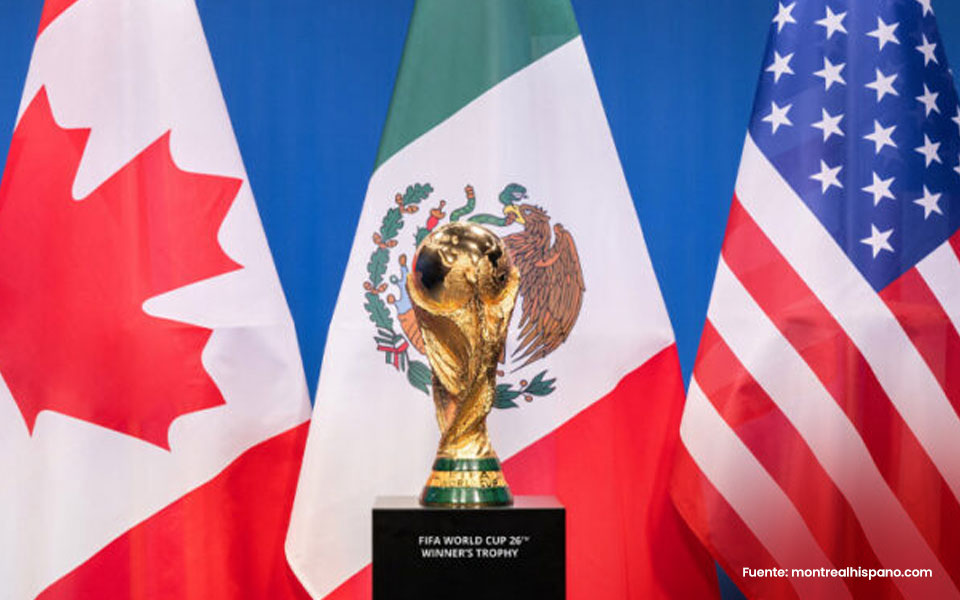
The 2026 World Cup will mark a turning point in the history of soccer. For the first time ever, the tournament will feature 48 national teams and be hosted by three countries: the United States, Mexico, and Canada.

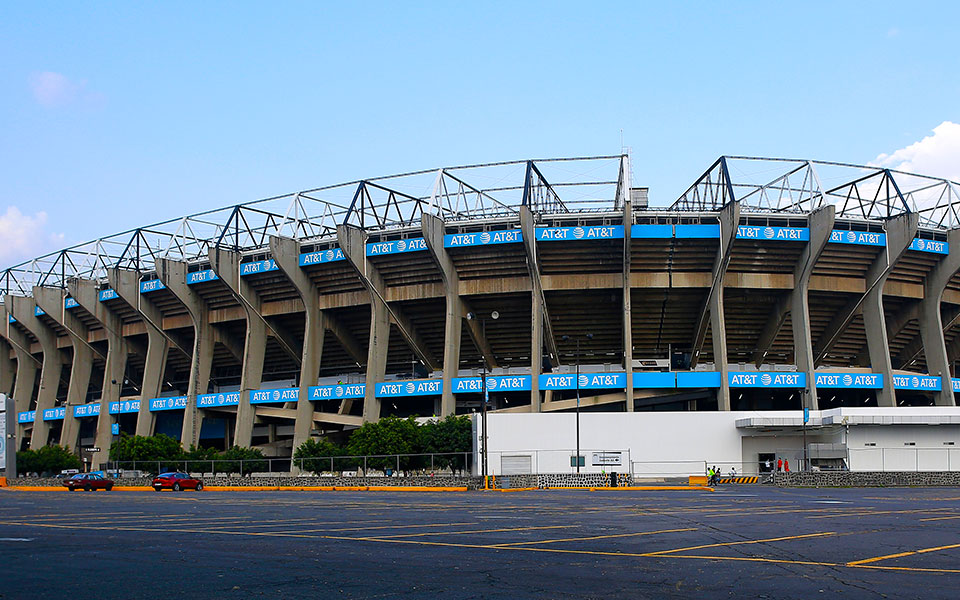
It will also make history as Mexico’s iconic Estadio Azteca becomes the first stadium in the world to host matches in three different World Cups.

Below, you’ll find key dates and host cities where the world’s most anticipated matches will take place.

Key Dates for the 2026 World Cup

The tournament will run from June 11 to July 19, 2026, bringing together 48 teams across 16 host cities in North America.

Throughout this period, fans can expect a packed schedule of matches across world-class stadiums in all three countries.

Host Cities & Stadiums

Beyond the matches themselves, each host city offers a unique experience—combining cutting-edge stadiums, local culture, food, and unforgettable attractions.

Mexico

Estadio Azteca – Mexico City

With a capacity of over 83,000, this legendary stadium has hosted some of the most iconic moments in soccer history, including World Cup finals featuring Pelé and Maradona.

Visitors can also explore the stadium through guided tours, walking through its historic halls and experiencing its unmatched atmosphere.

Estadio Akron – Guadalajara

Opened in 2010, this modern venue features a unique volcano-inspired design and a capacity of 48,000. Its steep stands bring fans closer to the action, creating an electric matchday atmosphere.

BBVA Stadium – Monterrey

Known as the “Steel Giant,” this state-of-the-art stadium combines sustainability, technology, and comfort, offering a premium fan experience.

United States

Mercedes-Benz Stadium – Atlanta

A cutting-edge venue with a retractable roof and 360-degree screen, designed to deliver an immersive experience for every fan.

Gillette Stadium – Boston Area

Home to major sports teams and upgraded for the World Cup, this stadium blends modern design with a strong sports legacy.

AT&T Stadium – Dallas

One of the largest stadiums in the world, famous for its massive center-hung screen and impressive architecture.

NRG Stadium – Houston

A versatile venue with a retractable roof, known for hosting major sporting events and concerts.

Arrowhead Stadium – Kansas City

Recognized as one of the loudest stadiums in the world, delivering an unmatched atmosphere.

SoFi Stadium – Los Angeles

One of the most modern stadiums globally, featuring a futuristic design and cutting-edge technology.

Hard Rock Stadium – Miami

A multi-purpose venue that combines sports, entertainment, and proximity to iconic beaches.

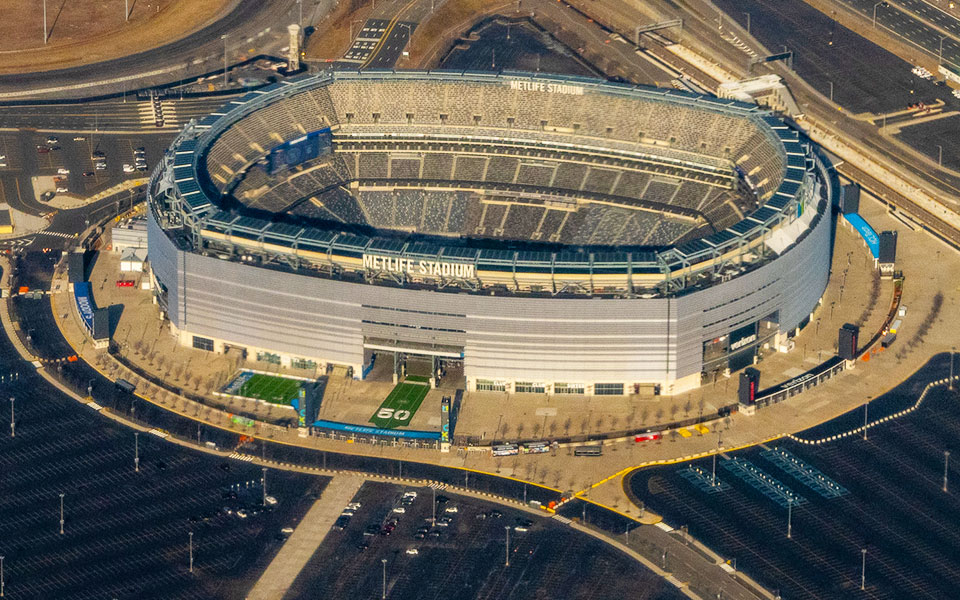
MetLife Stadium – New York/New Jersey

Host of the 2026 World Cup Final, this massive stadium is built for global-scale events.

Lincoln Financial Field – Philadelphia

A tech-forward venue offering premium amenities and stunning views.

Lumen Field – Seattle

Known for its intense crowd energy and unique architectural design.

Canada

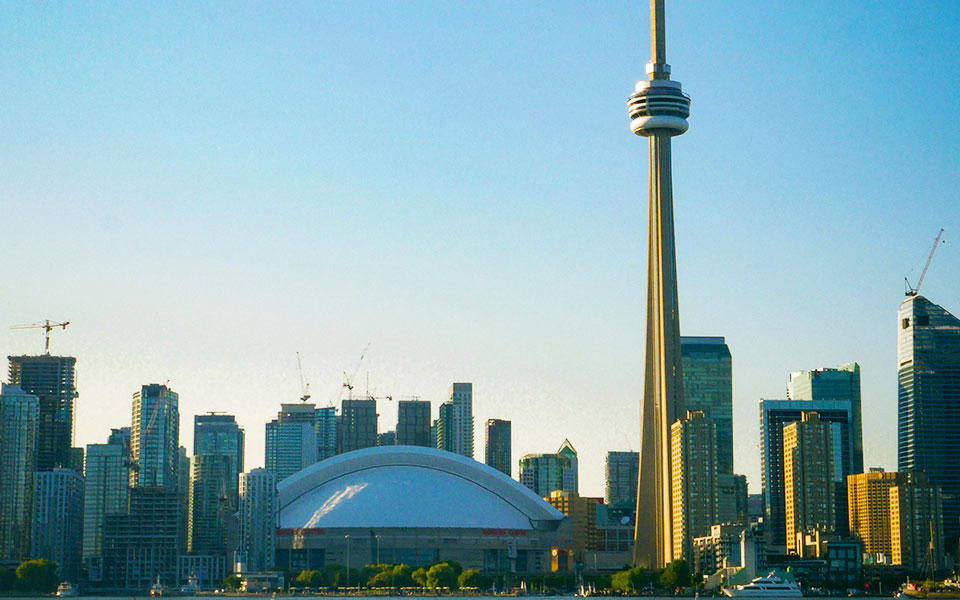
BMO Field – Toronto

A compact yet vibrant stadium that delivers an intimate and energetic fan experience.

BC Place – Vancouver

Featuring a retractable roof and scenic waterfront location, this venue combines comfort with incredible views.

Tournament Format & Teams

The 2026 World Cup will introduce a new format, with 12 groups of 4 teams each.

The top two teams from each group, along with the best third-place teams, will advance to the knockout stage—adding more excitement and unpredictability from the very beginning.

Teams from across all confederations will compete, ensuring a diverse mix of playing styles and global representation.

Fun Facts About the World Cup

  • The first World Cup was held in 1930 with just 13 teams
  • The 2026 edition will be the largest ever, with 48 teams
  • The Estadio Azteca will become the first stadium to host three World Cups
  • The tournament will span three countries for the first time in history


Final Thoughts

Now that you know the host cities, format, and key details, there’s only one thing left to do: start planning your trip.

If you’re thinking about experiencing the World Cup in Mexico City, staying somewhere central can make all the difference. Being close to major attractions and stadium access allows you to enjoy every moment without the stress.

Because the 2026 World Cup isn’t just something you watch—it’s something you experience.

Book your stay and be part of it.

Tags:

Posted in | Comments Off on The Ultimate Guide to the 2026 FIFA World Cup: Dates, Host Cities & Key Facts

Family Travel: Your Hotel as the Starting Point

April 20th, 2026 Coordinador Web

Traveling with kids is a joyful experience—full of memorable moments and a few challenges along the way. While most people focus on the destination, there’s one element that truly shapes the entire trip from the very beginning: your hotel.

Choosing the right place to stay isn’t just about having somewhere to sleep—it becomes your home base for everything. From resting after a busy day to planning activities and keeping everyone comfortable, the right hotel makes all the difference.

Choosing the Right Family-Friendly Hotel

A great family hotel is designed with both parents and kids in mind. Spacious rooms, smart layouts, and kid-friendly features help make daily routines easier and more enjoyable. Options like connecting rooms, extra beds, cribs, or blackout curtains can significantly improve rest for everyone.

Amenities That Make Travel Easier

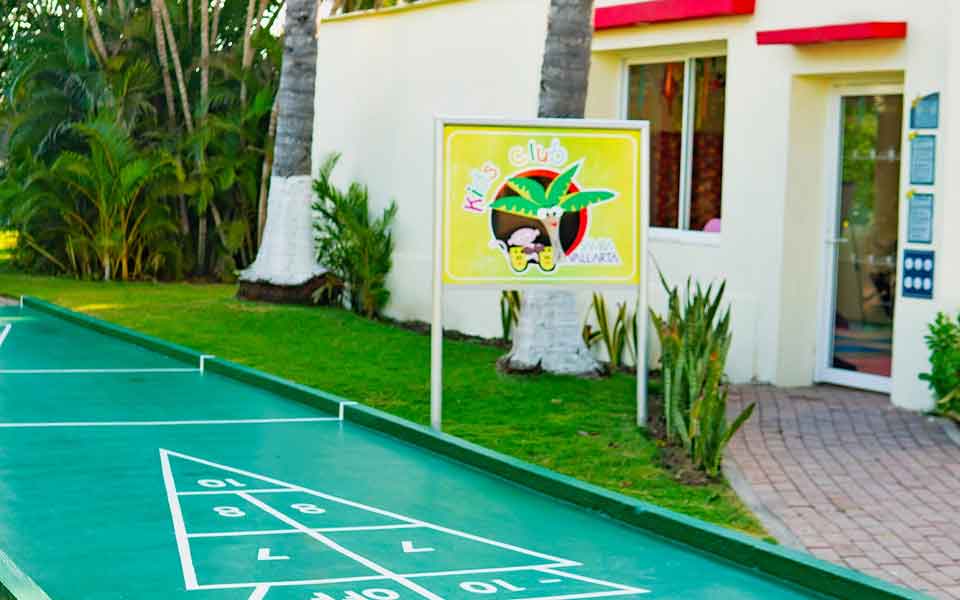
The best family hotels go beyond the basics by offering amenities that keep kids entertained and parents relaxed. Think kids’ clubs, pools with shallow areas, and supervised activities that allow children to play while adults unwind.

Services like babysitting, on-site dining options, and easy access to essentials can also simplify your stay and reduce stress.

Location Matters

When traveling with children, convenience is key. Staying close to beaches, attractions, or main areas helps minimize long commutes and keeps everyone in a better mood. Easy access to transportation, restaurants, and basic services also adds comfort and flexibility to your trip.

Food Options for the Whole Family

Family-friendly hotels often provide a variety of dining options, including healthy meals and accommodations for dietary restrictions. Whether it’s kid-friendly menus or special requests, having flexible food options helps maintain routines and keeps everyone happy.

Activities Without Leaving the Hotel

Many hotels double as entertainment hubs, offering activities like games, workshops, outdoor fun, and evening shows. These experiences allow kids to stay active and engaged while creating meaningful family moments.

Safety and Peace of Mind

Safety is always a top priority. Hotels designed for families typically include 24/7 security, well-lit spaces, trained staff, and secure room access—giving parents peace of mind throughout their stay.

The Value of Great Service

What truly makes a stay unforgettable is the service. Thoughtful details, personalized attention, and a team that understands family needs can turn a good trip into an exceptional one.

Creating Lasting Family Memories

At the end of the day, family travel is about connection. The right hotel becomes more than just a place to stay—it’s where memories are made, routines turn into special moments, and every experience brings you closer together.

Because long after the trip is over, what matters most is being able to look back and say:
“Remember when…?”

Tags:

Posted in | Comments Off on Family Travel: Your Hotel as the Starting Point

Interactive Aquarium Cancún: A Unique Way to Connect with Marine Life

March 5th, 2026 Coordinador Web

Looking for things to do in Cancún that go beyond the usual beach plans? The Interactive Aquarium Cancún is a great option for families, couples, and curious travelers.

This isn’t just a place to observe marine life—it’s an interactive experience where you can watch dolphin shows, walk underwater with Aquarium Trek, and even relax in a fish spa.

If you want to discover what makes this place special, here’s everything you need to know before visiting.

Interactive Experiences You Can Enjoy

One of the highlights of this aquarium is the variety of activities designed for both kids and adults.

Marine Life Encounters

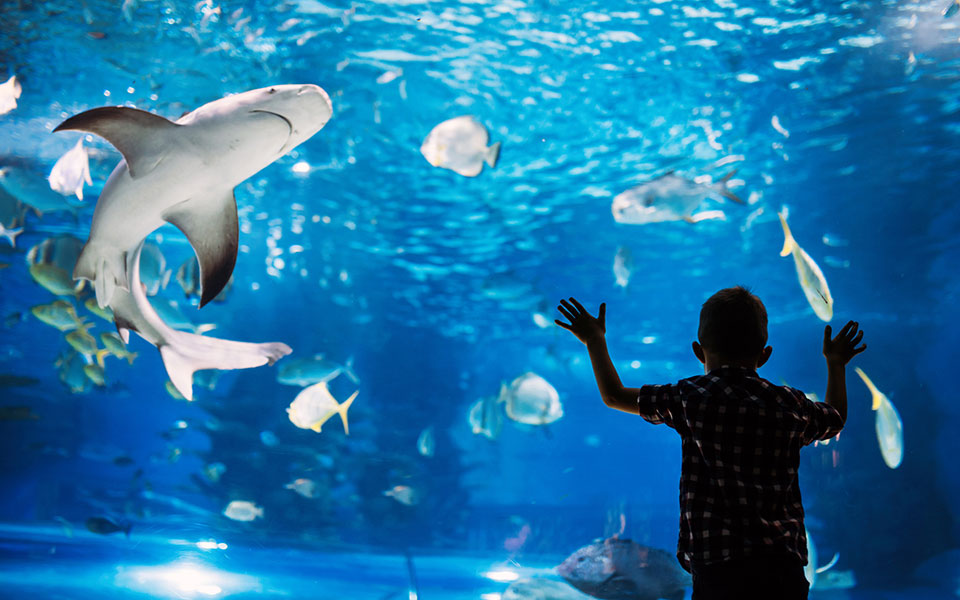
The aquarium is home to over a thousand specimens from more than 100 species, including tropical fish, rays, and even sharks. Walking through the exhibits gives you a close look at both freshwater and saltwater species in a safe and educational environment.

Educational and Sensory Activities

Throughout the aquarium, you’ll find interactive spaces designed to make learning fun—especially for younger visitors.

The iPad zone, for example, offers games and digital experiences where kids can explore coral reefs, learn about marine species, and understand the importance of ocean conservation in an engaging way.

Axolotl Exhibit

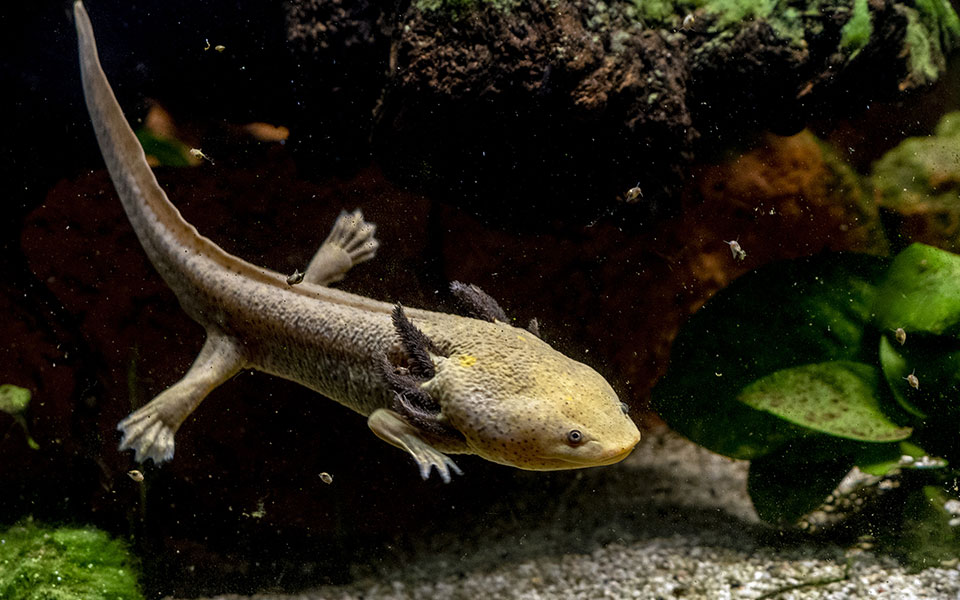
One of the most fascinating displays is the axolotl exhibit. These unique amphibians are known for their ability to regenerate limbs and their unusual biology.

Visitors can also learn about their cultural significance, including legends connected to ancient Mexican mythology.

Dolphin Presentations

Dolphin shows are one of the most popular attractions. These presentations highlight the intelligence and agility of these marine mammals through jumps, spins, and coordinated movements.

Unique Activities You Shouldn’t Miss

Aquarium Trek

If you’re looking for something truly different, Aquarium Trek is a must.

This activity allows you to walk underwater at a depth of about six meters using specialized equipment—no diving experience required. It’s often described as “walking on the moon,” thanks to the sensation of weightlessness.

You’ll get the chance to see marine species up close in a safe and guided environment.

Fish Spa Experience

Yes, a fish spa is part of the experience—and it’s surprisingly relaxing.

Using garra rufa fish, this treatment gently exfoliates the skin, leaving your feet feeling refreshed and smooth. It’s a quick but memorable activity to add to your visit.

Swimming with Dolphins

Swimming with dolphins is one of the most iconic experiences in Cancún.

The aquarium offers different programs depending on your preferences, from short interactions to more complete experiences that can include additional activities like Aquarium Trek.

It’s recommended to book in advance, especially during high season.

Location and Visitor Tips

The Interactive Aquarium Cancún is located in the Hotel Zone, inside La Isla Shopping Village, making it easy to access while exploring the city.

Tips for your visit:

  • Arrive early to avoid crowds
  • Bring official ID if you want access to special rates
  • Plan extra budget for activities and photos
  • Follow guidelines regarding photography in certain areas
  • Check availability and schedules in advance

Make the Most of Your Cancún Experience

Visiting the aquarium is more than just a tour—it’s a combination of education, entertainment, and unique interaction with marine life.

If you want to enjoy this experience without rushing and stay close to Cancún’s main attractions, choosing the right hotel makes all the difference.

Emporio Cancún offers a beachfront location, comfort and easy access to the Hotel Zone, making it a great base for exploring the city at your own pace.

Turn your trip into something unforgettable—where every experience becomes a lasting memory.

Tags: ,

Posted in | Comments Off on Interactive Aquarium Cancún: A Unique Way to Connect with Marine Life

Destination Weddings: What They Are and How to Plan Yours Step by Step

February 20th, 2026 Coordinador Web

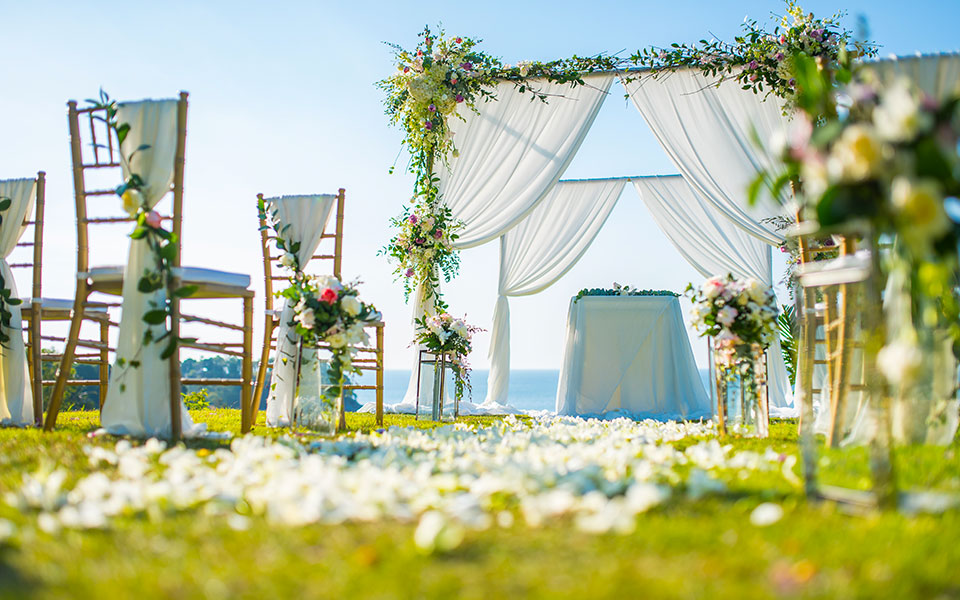
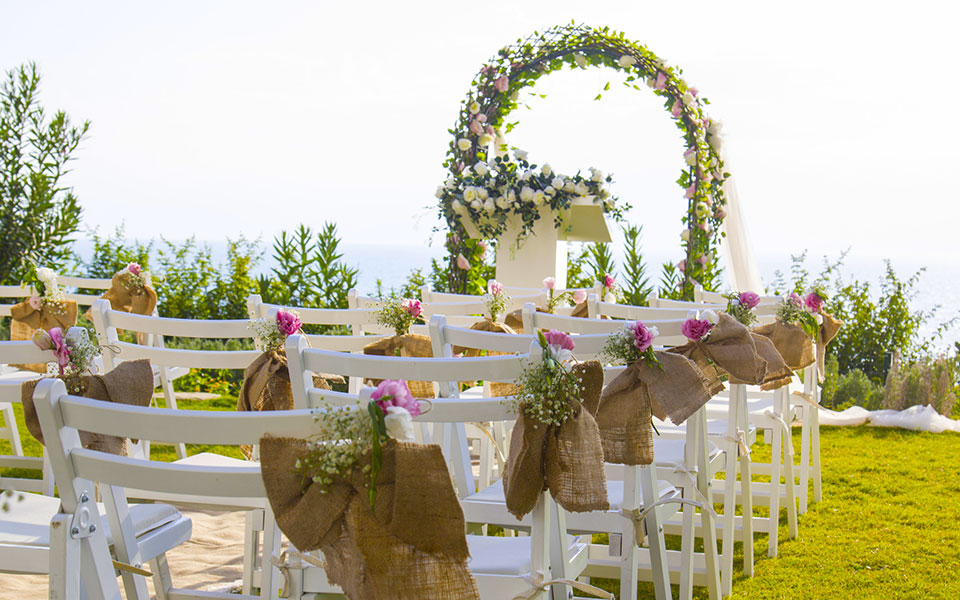
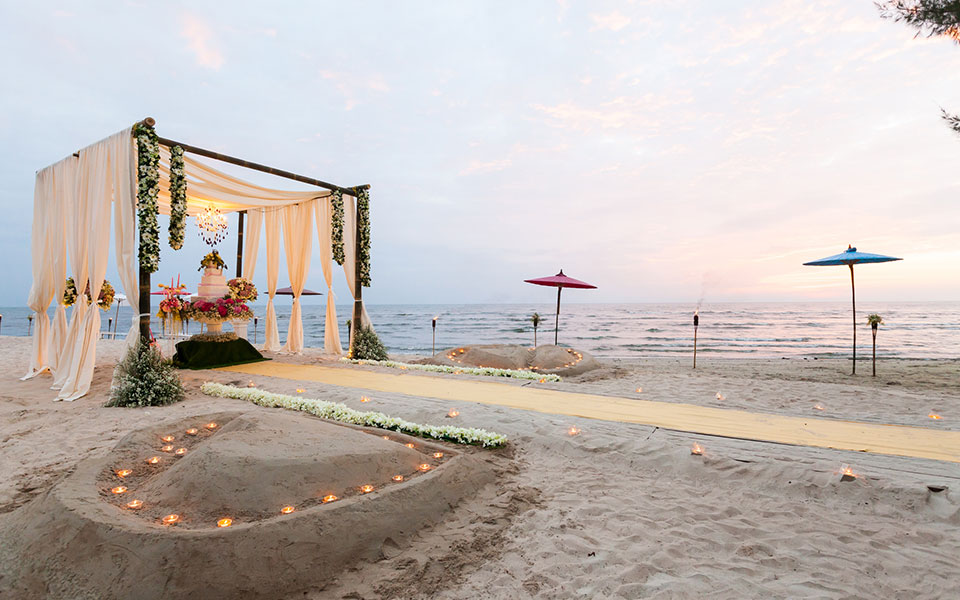
Today, getting married goes far beyond a church or civil ceremony—and destination weddings are the perfect proof. After all, who wouldn’t want to say “I do” on the beach or in an outdoor setting with breathtaking views?

A wedding is more than just a moment—it’s a lifelong memory. That’s why destination weddings are ideal for transforming your big day into a personalized experience that truly reflects what you want.

If you’re wondering what a destination wedding is, how to plan one, and what benefits it offers, keep reading. Here’s everything you need to know to start planning your dream celebration.

What Is a Destination Wedding?

A destination wedding refers to a celebration that takes place away from the couple’s hometown. It can be hosted in a variety of stunning locations, from tropical beaches and luxury resorts to vineyards, historic cities, or cultural destinations.

Unlike traditional weddings, destination weddings typically last between two and four days. This allows time for welcome gatherings, the ceremony, receptions, and even post-wedding activities, creating a more complete and meaningful experience for both the couple and their guests.

In many cases, couples also extend their stay and turn the celebration into their honeymoon, enjoying the destination alongside friends and family.

Benefits of a Destination Wedding

A One-of-a-Kind Setting

One of the biggest advantages is the scenery. Whether it’s a beachfront ceremony, a lush garden, or a scenic terrace, your wedding backdrop becomes part of the magic—often eliminating the need for elaborate décor.

Beach destinations, in particular, offer stunning sunsets, ocean views, and a naturally romantic atmosphere.

An Unforgettable Experience for Everyone

A destination wedding isn’t just an event—it’s a shared travel experience. Your guests get to enjoy a mini vacation while celebrating with you, creating deeper connections and lasting memories.

Less Stress, More Enjoyment

Planning can be simpler than you think, especially when working with a destination wedding planner or choosing a hotel that offers wedding packages.

At places like Samba Vallarta, couples can find options that include everything from décor and catering to coordination and accommodations—making the process seamless and stress-free.

Stunning Photos and Videos

Natural settings provide the perfect backdrop for unforgettable wedding photos and videos. From ocean views to charming landscapes, every moment becomes picture-perfect without the need for complex setups.

A More Intimate Guest List

Destination weddings tend to focus on quality over quantity. You’ll be surrounded by your closest friends and family—those who truly want to be there and share this meaningful moment with you.

A Celebration That Lasts for Days

Instead of a single-day event, destination weddings unfold over several days. Welcome cocktails, group activities, and post-wedding brunches create a relaxed and immersive celebration.

Better Use of Your Budget

With a smaller guest list and bundled services, couples often find they can allocate their budget more efficiently—enhancing key elements like dining, photography, or overall experience.

How to Plan a Destination Wedding Step by Step

Choose Your Destination

Your location sets the tone for everything. Consider accessibility, climate, and the kind of experience you want to create.

Set Your Budget

Define how much you’re willing to invest and prioritize what matters most—whether it’s the venue, guest experience, or extra touches.

Work with a Specialized Planner

A destination wedding planner understands the logistics, local vendors, and legal requirements, making the process much smoother.

Send Save-the-Dates Early

Give your guests enough time to plan. Ideally, notify them 6 to 9 months in advance so they can arrange travel and accommodations.

Visit the Venue in Advance

If possible, visit your chosen location before the wedding to finalize details and avoid surprises.

Understand Legal Requirements

Each destination has different legal processes. Make sure you have all the necessary documentation in order.

Extra Tips for the Perfect Destination Wedding

  • Welcome your guests with thoughtful details like local treats or travel kits
  • Choose outfits that match the climate and setting
  • Arrive at least two days early to relax and finalize details
  • Always have a backup plan for weather conditions
  • Protect your investment with travel insurance and flexible bookings


Make Your Dream Wedding a Reality

A destination wedding is more than a ceremony—it’s an experience that brings together travel, celebration, and unforgettable moments.

If you’re looking for a setting that combines comfort, beautiful scenery, and expert support, Samba Vallarta offers the perfect balance for a seamless and memorable celebration.

Your dream wedding deserves more than a single day—make it a journey you and your guests will never forget.

Tags: ,

Posted in | Comments Off on Destination Weddings: What They Are and How to Plan Yours Step by Step

Solo Travel Guide: Let Go of Fear and Start Planning

October 1st, 2025 Coordinador Web

Traveling solo might feel daunting at first, but it’s an incredible experience that allows you to explore the world at your own pace—and reconnect with yourself in the process. If you’ve been dreaming of taking that leap but fear has held you back, this guide is just for you.

Let us walk with you through those first steps, so you can move past your doubts and turn that solo travel dream into a life-changing reality. Ready to dive in?

1. Choose Your Destination Wisely

Picking the right destination is the first—and most important—step toward a successful solo trip. Start by considering your personal interests and travel style. Ask yourself:
Do you want to dive into a new culture? Get lost in nature? Enjoy vibrant nightlife?

Being clear about the kind of experience you’re looking for will help you choose the right place. It’s also essential to research destinations that are known to be safe and welcoming for solo travelers.

Browse travel blogs, watch vlogs, and read reviews from other solo adventurers to get a better sense of your options. Ultimately, go with a place that sparks real curiosity and excitement. That’s the perfect way to kick off your journey.

2. Get to Know Your Destination

Before you set off, take the time to learn about the place you’ll be visiting. Understanding the local culture, customs, and language—even just the basics—can go a long way in helping you connect and feel more at ease.

Look into must-see landmarks, top attractions, and unique local activities. This will help you build a well-rounded itinerary and make the most of your time.

Don’t forget to research safety tips, public transportation, and accommodation options. Familiarize yourself with maps and neighborhoods so you can move around confidently once you arrive. The better prepared you are, the more relaxed—and adventurous—you’ll feel.

3. Pack Light and Smart

When traveling solo, packing light is key. Create a checklist with just the essentials: versatile clothing, toiletries, important documents, and a few emergency items like a basic first aid kit.

Choose outfits you can easily mix and match to save space. Keep your luggage manageable—carrying too much can be tiring and take away from the fun of exploring. Traveling light means more freedom and flexibility—two things that will make your solo adventure much more enjoyable.

4. Set a Realistic Budget

Creating a clear and realistic budget is crucial when you’re traveling on your own. Start by estimating the major costs—transportation, accommodation, meals, and activities. Then, research the average prices in your chosen destination.

Don’t forget to include a little extra for unexpected expenses. It’s always a good idea to have an emergency fund set aside.

Once you’ve crunched the numbers, set a budget that lets you enjoy your trip without stressing about money. Being financially mindful helps you plan better—and avoid unpleasant surprises.

5. Plan Your Days (But Stay Flexible)

Having a general plan helps you make the most of your time and gives you peace of mind. Draft a loose itinerary that includes key sites and activities, but leave room for spontaneity—you never know what amazing opportunities might pop up along the way!

Research routes, transportation options, and opening hours so you can move around efficiently. Choose activities that truly interest you, not just what’s popular.

A well-balanced plan keeps things exciting without being overwhelming. Remember, flexibility is part of the magic of solo travel.

6. Step Out of Your Comfort Zone

One of the best parts of solo travel is the opportunity to push your boundaries. Try that exotic dish you’ve never heard of. Start a conversation with a stranger. Say yes to a new experience you never would’ve considered before.

Each moment outside your comfort zone helps you grow and see the world—and yourself—from a new perspective.

Don’t worry about getting things wrong or feeling like the “foreigner.” That’s part of the adventure! Embrace the unexpected and let curiosity guide you. Growth and transformation happen when you step into the unfamiliar.

7. Consider Staying at a Bed & Breakfast

For solo travelers, especially women, bed & breakfasts are an excellent accommodation choice. These charming, often family-run places offer a warm, personalized experience that feels like home.

They’re also great for meeting new people—both locals and fellow travelers—over a delicious homemade breakfast. Plus, hosts are usually locals themselves and love sharing insider tips about what to see and do.

Choosing a B&B gives you a deeper, more personal connection to the local culture—and often a friendlier, safer atmosphere.

8. Try Mealsurfing or Communal Tables

Looking to meet people while traveling solo? Mealsurfing and communal tables are fantastic ways to connect.

Mealsurfing involves sharing meals with locals or other travelers, often arranged through apps or online platforms. It’s a great chance to exchange stories and dive into local cuisine.

Communal tables, found in many restaurants and cafés, encourage strangers to dine together and strike up conversations. So next time you sit down for a meal, consider joining a shared table—you never know who you might meet.

Final Thoughts

Solo travel in Mexico—or anywhere in the world—is a unique opportunity to build confidence and independence. Facing new challenges on your own sharpens your problem-solving skills and boosts your adaptability.

Even better, it opens the door to connecting with people from different cultures, forming lasting friendships, and expanding your worldview. These connections enrich your journey and your personal growth.

Most fears about traveling alone are just that—fears. Once you take the first step, you’ll see how rewarding and empowering it can be.

So go ahead—embrace the unknown, plan that solo adventure, and get ready to discover the best version of yourself.

The world is waiting for you!

Tags: ,

Posted in | Comments Off on Solo Travel Guide: Let Go of Fear and Start Planning

Entertainment Venues in Mexico City

September 30th, 2025 Coordinador Web

Mexico City is a vibrant, passionate metropolis, and it has become home to some of the most impressive and well-known entertainment venues in Latin America.

From massive concerts and sporting events to cultural festivals and theatrical productions, these facilities have offered unforgettable experiences for both residents and those who are just passing through.

For this reason, today we would like to tell you about Mexico City’s most iconic event spaces. Get ready for a fascinating tour through the settings that have seen spectacular shows and continue to be the heart of entertainment in Mexico’s capital city.

Palacio de los Deportes

Background

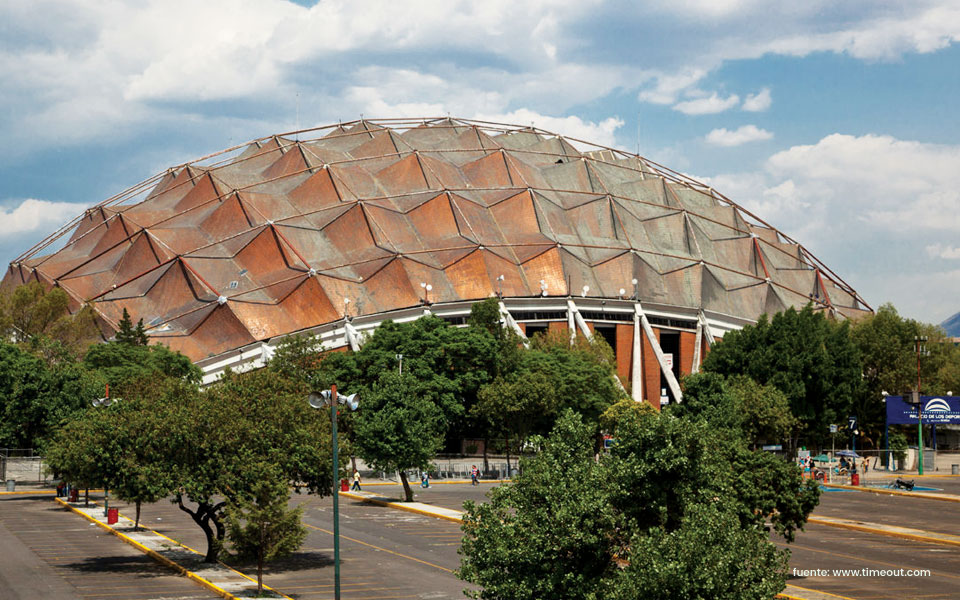
Inaugurated October 8, 1968, Palacio de los Deportes arena is an architectural gem designed by Spanish architects Félix Candela, Enrique Castañeda Tamborel, and Antonio Peyrí.

The venue was built in a record 18 months for the 1968 Olympic Games, during which it played host to the event’s basketball games.

This stadium’s distinctive dome was designed using parabolic and hyperbolic geometry and fabricated from copper. It has earned the arena the nickname, “Copper Dome” or “Palace of a Thousand Suns” for the way it constantly reflects sunlight.
Notable Events

The sports arena has hosted a wide variety of events, from sports competitions to world-class concerts.

It has welcomed artists such as Paul McCartney, Cirque du Soleil, Madonna, Ed Sheeran, Roger Waters, Sam Smith, The Rolling Stones, and more. Top sports events have also been held here, such as NBA games and tennis tournaments.

Capacity

The venue can hold around 18,000 people, making it one of the city’s most versatile spaces.

Location

The arena sits at the intersection of Río Churubusco Avenue and Añil Avenue in Granjas México, Iztacalco. You can get there on public transportation (Metro train stations Velódromo and Oceanía are nearby) and private transportation.

Autódromo Hermanos Rodríguez

Background

Autódromo Hermanos Rodríguez is one of most outstanding racetracks in Mexico and around the world. The track was designed by the engineer Óscar Fernández Gómez in 1955 as part of his thesis project, since the city did not have an official racetrack.

Ever since it was opened in 1959, it has been owned by the Mexican government. In time, it was named in honor of the brothers Pedro and Ricardo Rodríguez, prominent Mexican racing drivers in the 1960s.

Meanwhile, the track has been remodeled several times to keep up with international standards and continue being a pacesetter in motor racing. It is so well known that it is recognized as the fastest circuit in the F1, as Brazilian driver Felipe Massa set a record of 226.2 miles per hour in 2015 during the Mexican Gran Prix.

Notable Events

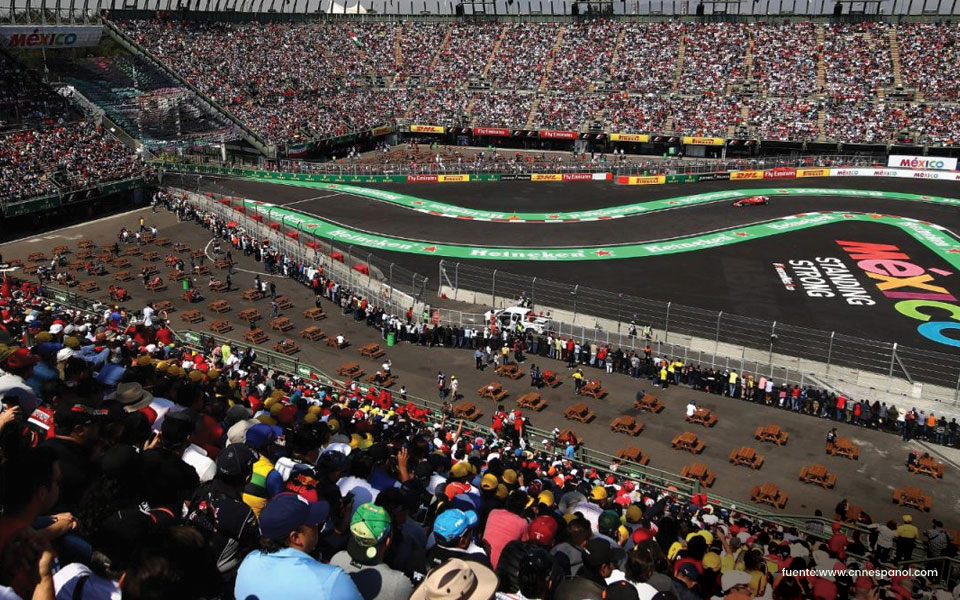
Thanks to its unique characteristics, the racetrack has become famous for hosting Formula 1’s Mexican Gran Prix, an event that pulls in thousands of racing fans every year. It also holds Champ Car, NASCAR, and motorcycle races.

Furthermore, it has been one of the best places to hold concerts in Mexico. Famous artists such as Demi Lovato, Camila Cabello, Garbage, Evanescence, Green Day, Shawn Mendes, Paul McCartney, and many others have performed here. This thrilling open-air space makes for the ultimate experience.
Capacity

The racetrack’s capacity varies according to the event, but it can hold up to 110,000 spectators during the Mexican Gran Prix. This makes it one of the most expansive venues for holding massive events in Mexico City in 2024.

Location

The racetrack is found in Ciudad Deportiva de Magdalena Mixhuca sports complex, in Iztacalco, very close to the airport, Aeropuerto Internacional de la Ciudad de México. This makes getting there and away easier for national and international visitors.

Unfortunately, it does not offer parking, so the easiest way to go is by Metro train on line 9. You can get off at stops near the gates, such as the Ciudad Deportiva, Puebla, and Velódromo stops.

Another option is taking line 2 of the Metrobús transit system to UPIICSA or Iztacalco stops, provided you know that you want to enter from Añil Avenue.

Foro Sol / Estadio GNP

Background

Foro Sol stadium was inaugurated in 1993, at a time when the country lacked adequate facilities for staging large-scale events and concerts in Mexico City. The architect, José de Arimatea Moyao López, came up with the idea of installing four enormous grandstands in the Autódromo Hermanos Rodríguez racetrack, a facility that at that point was not being used.

The site chosen for the stadium seats was the racetrack’s banked curve, where just one year before the last F1 Mexican Gran Prix race had been held.

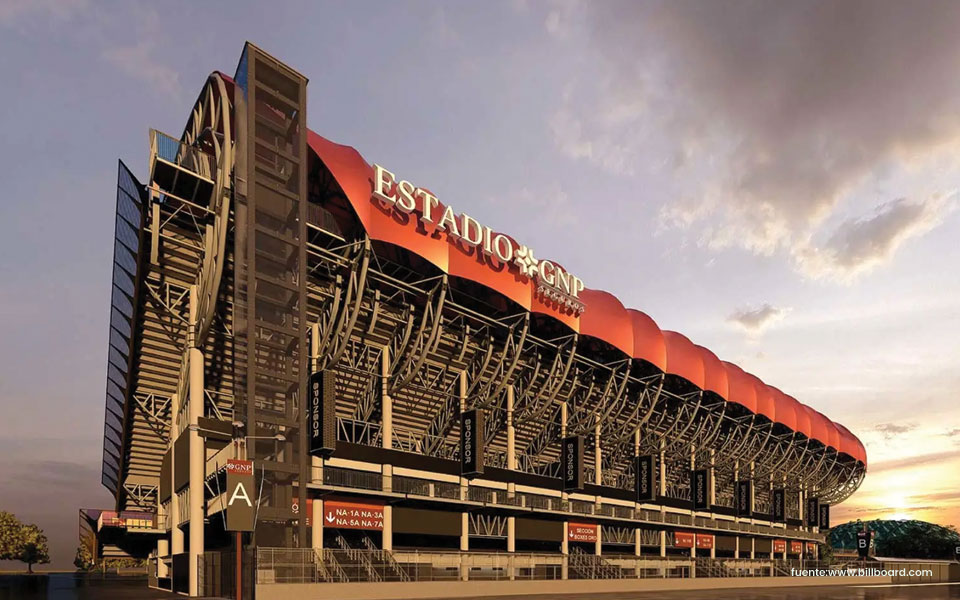
Nonetheless, thanks to successful shows by the likes of Madonna, Paul McCartney, Pink Floyd, and the Rolling Stones, in 1997 it was decided to build a more permanent facility, now called Estadio GNP. The stadium is easily recognizable for its green steel structure. GNP insurance company purchased naming rights, leading to the new moniker.

Over its 23 years, the stadium has been remodeled at various times, with significant changes made for the CART races in 2002, when the track was adapted so car races and baseball events could still be held, but the racetrack kept its distinctive layout.

Notable Events

This venue has seen memorable performances by legendary musicians and bands such as those mentioned above, plus U2, Metallica, Coldplay, and David Bowie. The multipurpose stadium is also the home to major festivals such as Vive Latino and Corona capital, which bring together thousands of attendees every year.

Likewise, it is possible to enjoy an endless array of sporting, religious, and cultural events, or even the over-the-top Monster Trucks and Motocross shows.

Estadio GNP can accommodate up to 65,000 people for concerts, making it one of the city’s largest venues for live music and other huge shows.

Its design allows for excellent visibility and acoustics from almost any spot in the stadium, creating an unbeatable experience for those who are lucky enough to go.
Location

Sitting inside the sports complex known as Ciudad Deportiva Magdalena Mixhuca, in Iztacalco, Estadio GNP is well connected to many public transportation routes, including Metro trains and the Metrobús system.

Plus, its proximity to other important sporting and cultural facilities puts it at the heart of Mexico City’s entertainment scene.

Arena Ciudad de México

Background

Opened on February 25, 2012, Arena Ciudad de México is one of the capital’s most modern music venues.

Built by the company Grupo Avalanz, the entertainment arena shines for its cutting-edge design and state-of-the-art facilities. A few of its features include 2 heliports, more than 100 luxury suites, some 800 LCD screens, and ample parking space for at least 5,000 vehicles. This is the gold standard in entertainment infrastructure.

Notable Events

Since its opening, Arena Ciudad de México has been a sensational stage for world-class artists like Roger Waters, Bruno Mars, Katy Perry, Michael Bublé, and Aerosmith.

Furthermore, it has become the site for some sporting events such as NBA games and WWE wrestling matches. There have even been family shows like Disney on Ice and conferences.

Capacity

The arena can seat a maximum of 23,000 people, making it versatile enough to accommodate a wide range of events, from intimate concerts to large-scale shows and sporting events.

Location

Arena Ciudad de México stands at 800 de las Granjas Avenue, in Santa Bárbara, Azcapotzalco. Its location on the north side of the city can be reached by a number of public transportation routes, including Metro trains and the Metrobús system.

Auditorio Nacional

Background

In 1948, after the extraordinary performance of the national equestrian team in the London Olympic Games, then-President Miguel Alemán decided to dedicate land near Campo Marte, a military and government facility, to encourage equestrianism in Mexico.

In the beginning, the project was called the municipal auditorium and was carried out under the leadership of the architects Fernando Parra Hernández, Fernando Beltrán Puga, Fernando Peña Castellanos, and Óscar de Buen. It included stables, quarters for stable hands, a granary, and a main theater.

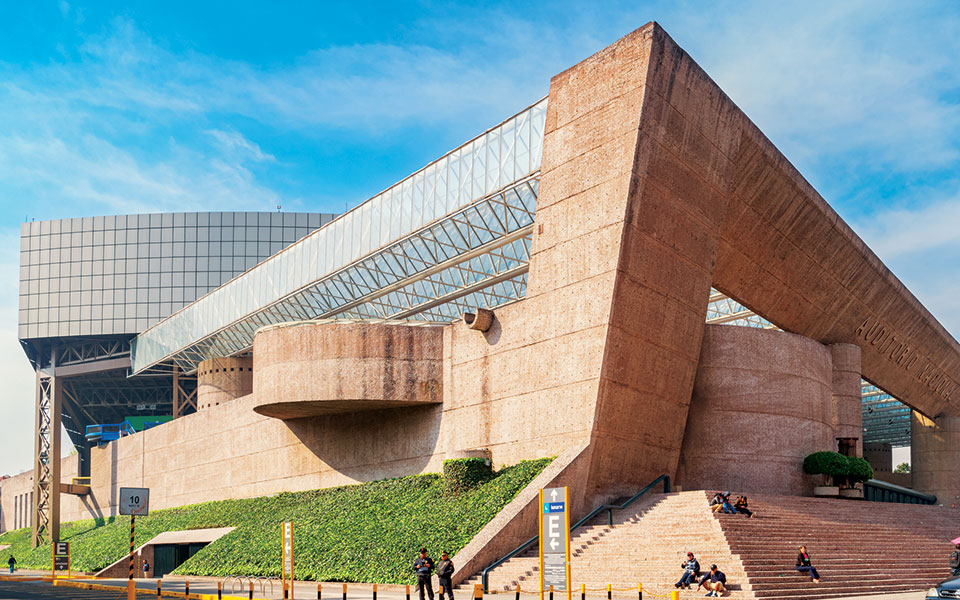
Later, in 1955, it was renamed the national auditorium. However, after renovations undertaken in 1990 by architects Teodoro González de León and Abraham Zabludovsky, this venue became one of the largest and most prestigious entertainment centers. It is also a key element of Mexico City’s emblematic architecture.

Notable Events

The Auditorio Nacional has welcomed a full array of musicians from a variety of genres, some, like Louis Armstrong, Duke Ellington, and the Great Russian Circus from Moscow, from the golden age to other stars including Plácido Domingo, Luciano Pavarotti, Alanis Morissette, Bon Jovi, even Luis Miguel, and Shakira.

The auditorium also hosts significant cultural events such as the UNAM’s (the national university) international film festival and the Festival International Cervantino cultural festival.

Capacity

As far as how many people fit in Mexico City’s national auditorium, there is a space for 10,000 spectators over three levels.

Since it is one of the smaller auditoriums in Mexico City, it offers an intimate, up-close experience. So, it is ideal for concerts, plays, operas, and other prestigious cultural events.

Location

This landmark stands at 50 Paseo de la Reforma Avenue, in Polanco. It is one of the city’s most iconic neighborhoods, filled with hotels, restaurants, and shops, making it is easily accessible by public transportation—Metro trains, Metrobús routes—and private options.
Estadio Azteca

Background

This enormous stadium is also known as the Colossus of Santa Úrsula, its neighborhood, and was opened on May 29, 1966. Ever since, the Azteca has been one of the world’s most emblematic sporting venues and a Mexican icon.

Designed by architects Pedro Ramírez Vázquez and Rafael Mijares Alcérreca, this stadium has seen historic moments in world football and other sports, as it was built to provide Mexico City with a top-of-the-line facility capable of hosting FIFA’s World Cup in 1970.

Estadio Azteca is especially famous for having been the site of two FIFA World Cup finals—the one in 1970, in which Brazil, led by Pelé, was crowned champion, and the 1986 Cup, when the Argentine team steered by Diego Maradona, won the trophy, establishing itself as the best in the world.

These events don’t only consolidate the stadium’s reputation as soccer’s holy ground but also make it a landmark for fans of the king of sports around the world.

Besides soccer, the colossus has opened its doors to other major sporting and cultural shows, such as some regular-season NFL games in 2005.

Notable Events

In addition to these accomplishments, the stadium is currently the home to the América soccer club and the Mexican national soccer team. It even had the honor of being selected for the 1968 Olympic Games.

This is without even mentioning that it has been the stage for incredible concerts with stars like Michael Jackson, Paul McCartney, U2, Elton John, Bad Bunny, and Shakira—giving their fans a magical moment to last their whole lives.

Furthermore, the stadium is awaiting the upcoming 2026 FIFA World Cup, when it will once again welcome the world’s best national teams and their fans with open arms for one of the most significant sporting events of all time.

Capacity

Estadio Azteca can hold around 87,000 spectators, so it is one of Mexico City’s largest concert venues, capable of hosting monumental events.

Location

Located in the south of Mexico City, at 3465 Calzada de Tlalpan Avenue, Santa Úrsula Coapa. There are several public transportation lines that reach the stadium, including the light rail and many bus routes.

Plus, it is very close to major streets and highways, so getting there by private car is no problem.

Undoubtedly, Mexico City is in a class of its own for taking the concept of entertainment to its highest level. From the magnificent Estadio Azteca stadium to the modern Arena Ciudad de México, these venues witness unforgettable experiences that have touched the lives of millions of people.

Come, attend one of these mind-blowing events and be part of entertainment history in vibrant Mexico City. See you there!


Tags: ,

Posted in | Comments Off on Entertainment Venues in Mexico City

Tastes to Celebrate Mexico’s Independence: 5 Iconic Mexican Drinks

September 1st, 2025 Coordinador Web

What to Drink During Mexico’s Independence Month: 5 Iconic Mexican Beverages

When it comes to celebrating the pride of being Mexican, nothing beats raising a glass filled with a traditional drink that captures the essence of the country. During Independence Month, gatherings are full of authentic flavors, lively music, and of course, drinks with character.

Mexico is a land of unique spirits, deep-rooted traditions, and cocktail creativity that has won over the world. Whether you’re planning a dinner, a party, or just want to toast to the country’s history and culture, here are five alcoholic drinks you shouldn’t miss.

Tequila: The National Icon

Classic, bold, and 100% Mexican, tequila is the country’s most emblematic drink. Made exclusively from blue agave and primarily produced in Jalisco, it can be enjoyed straight, with salt and lime, or as the base for cocktails like:

  • Traditional Margarita (tequila, lime juice, orange liqueur)
  • Paloma (tequila, grapefruit soda, lime, and salt)

Perfect for anyone seeking authenticity in every sip.

Mezcal: Mexico’s Smoky Spirit

Mezcal has gained fame as a gourmet, artisanal drink. Its smoky flavor and wide range of profiles make it fascinating for spirit lovers. Mainly from Oaxaca, this ancestral beverage can be enjoyed:

Neat, with orange and worm salt

  • In cocktails like the Mezcal Mule (mezcal, ginger, and lime) or Tamarind Mezcalita

Ideal for adventurous palates that crave depth and character

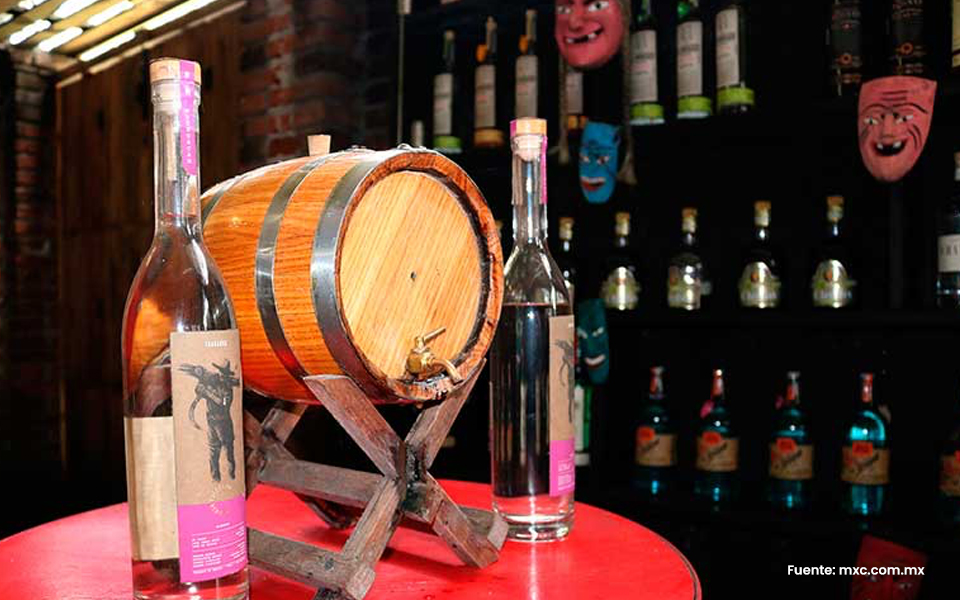
Charanda: Michoacán’s Liquid Treasure

Less known outside Mexico but deeply rooted in Michoacán, charanda is a sugarcane spirit with its own designation of origin. Its flavor is reminiscent of rum but earthier. Popular ways to enjoy it include:

  • Mixed with grapefruit soda and ice (like a Charanda Paloma)
  • With orange or tropical citrus juice for a fresher cocktail

A unique choice with deep roots and a rich history.

Raicilla: Mezcal’s Wild Cousin

Produced mainly in Jalisco, raicilla is another agave spirit that has gained popularity for its herbal, strong, and slightly sweet flavor. During Independence Month, you can enjoy it:

Neat, as a digestif

  • In a Raicilla Sour (raicilla, lime, natural syrup, and egg white)

Perfect for those looking to explore beyond tequila and mezcal.

Cantarito: The Most Festive Cocktail

Cantarito is one of the most popular cocktails during Independence Month, usually served in traditional clay mugs that keep it fresh. Its base is tequila or mezcal, mixed with:

  • Grapefruit, orange, and lime juice
  • Grapefruit soda, salt, and a touch of chili on the rim

It’s a vibrant, refreshing drink perfect for sharing.


Toast to Mexico with Flavor and Pride

Independence Month is the perfect excuse to raise a glass and honor Mexico’s roots, history, and flavors. From classics like tequila to lesser-known treasures like charanda and raicilla, every drink offers an experience that connects with the land and its people.

Have you decided what you’ll be drinking this year? Long live Mexico, and don’t forget the good spirits!

Tags: , ,

Posted in | Comments Off on Tastes to Celebrate Mexico’s Independence: 5 Iconic Mexican Drinks

Handicrafts from Zacatecas: A Snapshot of Local Creativity

September 1st, 2025 Coordinador Web

Zacatecas, a state that proudly sits right in the heart of Mexico, is not only famous for its colonial architecture, silver mines, towns, and cities, but also harbors a treasure trove of creativity, brought to life by the hands of its artisans, guardians of age-old traditions. 

A survey of its handicrafts, running from ceramics to textiles to jewelry, is a window into Zacatecas’ cultural and artistic riches. These Mexican handicrafts reflect the region’s identity and history. Let us share more about them with you.

A Brief History and Roots of the Traditions

The history of craft in Zacatecas runs deep. Its roots go back to pre-Hispanic times, when the state’s ancestors, such as the Chichimeca and Teule peoples, mastered the art of making ceramics, weaving, and metalworking, employing materials such as clay, wool, and silver.

With the arrival of the Spanish in the 16th century, Zacatecas’ handicraft traditions were enriched with new techniques and influences. Handicraft production was stimulated by the introduction of Spanish pottery, the influence of Talavera earthenware, and silver mining.

All this has been passed down for generations, evolving with changing needs and environments. Ceramics, textiles, and precious-metal work became mainstays of the region’s cultural identity, reflecting the inhabitants’ history, culture, and daily life.

Kinds of Handicrafts in Zacatecas

As you will soon see, Zacatecas’ typical handicrafts are many and varied, reflecting their deep history and local creativity.

Ceramics and Pottery

One of Zacatecas’ most emblematic craft traditions, the region’s ceramics are known for their highly detailed and colorful designs. Artisans use ancient practices to create pieces that run from fired clay pots, perfectly useful for cooking, to decorative Talavera-style figurines with floral and animal motifs that evoke the state’s natural diversity. However, you will also find all kinds of necklaces, earrings, and bracelets.

Textiles and Embroidery 

Textile work is created throughout the state. Women from towns all over Zacatecas express their culture in the rugs, shawls and other sheep’s wool and cotton textiles they produce.

They also weave baskets and chair seats out of agave fiber, calling on techniques that have been handed down from generation to generation. Similarly, the designs, often geometric and floral, display each area’s identity.

Jewelry and Silver Work

Zacatecas is well known for its artisanal jewelry, especially the silver work. Its metalsmiths draw on traditional methods to create gorgeous pieces of jewelry, such as necklaces, bracelets, rings, and earrings, adding precious and semiprecious stones such as obsidian and opals.

They have won their fame above all for their silversmithing, especially for their mastery of techniques including filigree, engraving, embossing, and soldering. These make each piece unique and lovely.

Carved Wooden Objects and Furniture

Local crafts people use age-old processes to create stunning pieces revealing the region’s character and history through furniture, musical instruments, toys, and decorative objects carved out of oak, pine, and cedar.

Furthermore, fibers harvested from agave plants are another unique characteristic of Zacatecas’ handicrafts. Artisans weave this fiber into numerous products.

Volcanic Rock and Stonework

The volcanic rock found in Zacatecas, called cantera, is known for its high quality and range of colors, which vary from beige to beautiful pinks. Stoneworkers shape it to produce a wide array of creations, from architectural finishes to sculptures.

In addition to cantera¸ stonework is also integrated into other regional handicrafts. You can find stone elements in jewelry, ornaments, and decorative objects.

Regions Known for Their Handicrafts

Each region has its own hallmark, with its own unique identity appearing in the handicrafts that distinguish it. Let’s explore Zacatecas’ four regions, where tradition and talent weave a tapestry of creativity. 

Jerez

The Jerez region is notable for its saddlery and leatherwork. The most popular items include belts, sandals, saddles, wallets, coin purses, and much more.

However, this is not the only local craftwork. There is also silver and gold jewelry, and moreover, many wooden objects. You will find chairs, toys, and instruments.

Guadalupe

The artisans in Guadalupe, Zacatecas, draw on their deep roots in the culture of their ancestors, as is mainly seen in their silverwork. Moreover, these craft workers employ pre-Hispanic techniques to create pots, pitchers, figurines, and other objects with many different materials, such as volcanic rock (cantera), hides, and leather.

Fresnillo

Known for its long history of mining, the Fresnillo area produces exceptional jewelry and silverwork. Artisans are master silversmiths, creating elaborate filigreed, engraved, and embossed pieces that bear witness to the region’s wealth and heritage.

The designs, which stretch from simple pieces to much more complex works, adorn earrings, necklaces, bracelets, decorative objects, and clay utensils such as pots and dishes. So, you can take home many gifts when choosing from Fresnillo’s handicrafts.

Teúl de González Ortega

Here, the question, “What should I buy in Zacatecas?” is out of place. What’s more, you can delight your taste buds. This area is known for preparing many delectable dishes, and there are the traditional mezcal, piña coladas, and many flavors of liquor.

In addition, you can pick up pottery and jewelry, all in the same place, right in the town market, the Mercado Municipal.

Traditional Techniques

The traditional methods used to produce handicrafts have been practiced and perfected over centuries. Each craft requires specific processes, tools, and materials, making them one of a kind.

Production Processes

Jewelry and Silverwork

Zacatecas’ jewelry and silverwork are characterized by their meticulous creation process. First, the silver must be selected. Then it is smelted in a crucible and molded into ingots.

Next, forging and casting processes shape the pieces. If it is filigreed, fine threads of silver are woven together into intricate designs.

Textile Production

Textile production, for its part, requires the use of a foot loom. First, weavers select cotton or wool yarn, which is colored with natural dyes extracted from local plants.

The weaving process starts once the loom is set up, and the threads intertwine to create specific designs and patterns.

Pottery

In Zacatecas, pottery is thrown and fired according to a long process that starts with gathering the clay. This is then mixed with water and kneaded to the correct consistency. After that, the clay is hand formed or thrown on a wheel to shape the individual pieces.

Once the objects have the desired shape, they are air dried before being fired in very hot kilns. This makes them strong and long-lasting.

Tools and Materials 

The key tools for silversmiths include hammers, anvils, tongs, and cutters, but they also use molds for casting and engraving tools to add the decorative detailing. Besides silver, other materials such as semiprecious stones and enamels further embellish the pieces.

For potters, spatulas, ceramic knives, and molds are used to shape the pieces. At the decoration stage, natural pigments are employed, and glazes are applied before firing, completely binding the colors to the ceramics.

Essential materials for textile artisans are cotton and wool yarn, plus natural dyes. Their tools include foot looms, combs for adjusting the strands, and needles for finishing work.

As you can see, learning more about handicrafts in Zacatecas means entering a world of beauty and tradition, where each object tells a story and reflects local artisans’ passion and talent.

This region’s handicrafts bear witness to the depth of local creativity, Zacatecas’ traditions, and ties to venerable traditions, so during your visit be sure to enjoy all the available options and take home unique, precious hand-crafted items as a souvenir.

Tags: ,

Posted in | Comments Off on Handicrafts from Zacatecas: A Snapshot of Local Creativity

SHARE YOUR EXPERIENCE ON SOCIAL NETWORKS